Quick Homeowner Guide
HOW TO CHOOSE THE RIGHT GARAGE DOOR
Making the right choice comes down to five key factors. To keep this guide simple and easy to navigate, we’ve organized the information into expandable accordions. Each accordion is labeled with a clear decision point (Material, Energy Efficiency, Durability, Style, and Local Requirements).
1. Start with comfort & energy use
If your garage is attached or used as a workshop/gym, choose an insulated, multi-layer “steel sandwich” door. Insulation reduces heat transfer, makes the door stiffer and quieter, and improves overall comfort. You’ll see R-value and increasingly U-factor (industry’s preferred, whole-door metric—the lower the U-factor, the better). Polyurethane foam generally provides higher thermal performance than polystyrene at the same thickness because it fills the door and bonds to the skins. Typical residential polyurethane doors in the ~2–2½″ class can reach R-values in the low-to-upper teens (model-dependent).
Windows & light: Windows add style and daylight but reduce a door’s overall thermal performance; opting for insulated (double-pane) glass helps recover some efficiency.
Rule of thumb:
- Attached/conditioned use: pick a polyurethane-insulated, multi-layer door and compare U-factors (lower is better).
- Detached/unconditioned use: insulation is less critical—choose based on durability, style, and budget.
3. Construction details that affect durability (and cost)
Layers
Single-layer (“pan”) is entry-level. Double-layer adds some insulation. Triple-layer doors add more insulation plus a steel backing for better strength, dent resistance, and quiet operation.
Insulation Type & Thickness
Polyurethane (foam-in-place) generally outperforms polystyrene (board) at the same thickness; specific R-values/U-factors vary by model and thickness. (Example: several residential polyurethane steel models list R-values from ~10 to ~20.4+.)
Glass Choices
Window size, placement, and glass type (clear, frosted, insulated) change both appearance and efficiency.
4. Style choices that still keep things practical
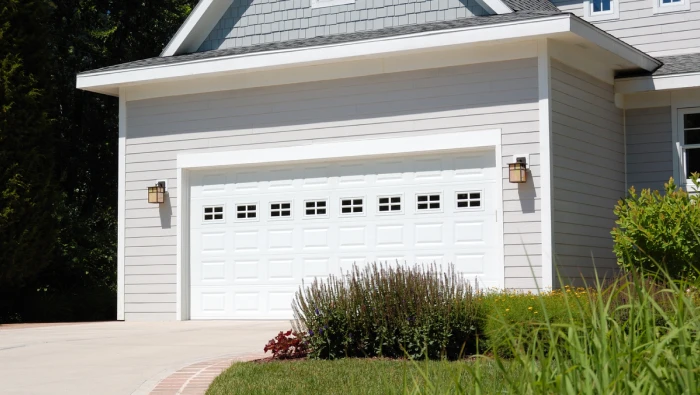
Pick a style that matches your home (traditional, carriage, or modern), then fine-tune with panel design, color/finish, and window layout. Keep in mind that more/larger windows and decorative overlays increase price and may affect thermal ratings; insulated glass and thermal breaks mitigate efficiency loss.
5. Don’t forget wind & code requirements
North Alabama isn’t coastal, but storms happen. If your jurisdiction or HOA specifies it—or you just want added resilience—ask for a wind-rated (pressure-tested) door. Manufacturers offer models with reinforced struts/hardware; building officials determine the required design pressure.
6. Price & Value Considerations
When it comes to garage doors, cost usually reflects construction quality, insulation, and customization. Signature garage doors have options for every budget. Call us today and explore your options and get clear pricing.
Here’s how the tiers break down:
Entry-Level Budget ($)
Single-layer, non-insulated steel doors. Several style options. Best for detached garages or investment properties.
Mid-Range Budget ($$)
Double- or triple-layer insulated steel doors with polyurethane or polystyrene cores. Multiple finishes, some windows. Most common choice for homeowners balancing cost and performance.
Premium Budget ($$$)
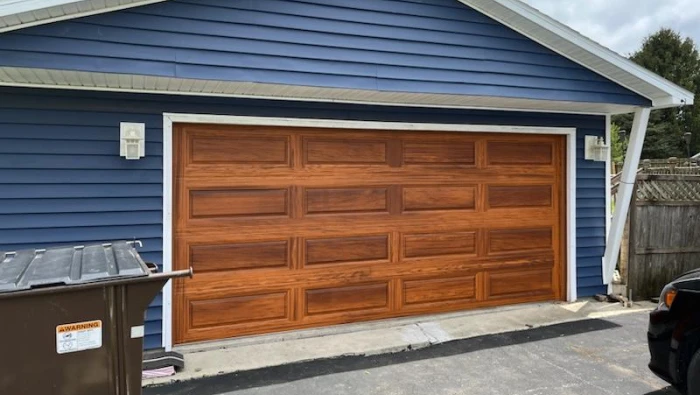
High-performance insulated steel with designer finishes, faux-wood overlays, or carriage-house styles. Higher durability and energy efficiency.
Luxury Budget ($$$$)
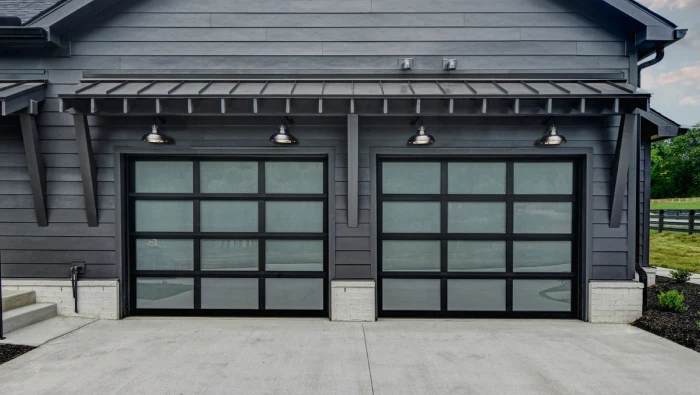
Custom wood, composite, or full-view aluminum-and-glass designs. Architectural styles, hand-applied finishes, premium glass.
Tip
Think long-term. While entry level budget doors save upfront, most homeowners choose mid- to premium-level ($$–$$$) doors for comfort, efficiency, and resale value.